

Supplement Science
For thousands of years, humanity has looked to nature to support health, vitality, and longevity. Long before the advent of modern laboratories, our ancestors observed, tested, and cataloged the plants, fungi, and minerals around them. Today, contemporary science is increasingly validating what traditional cultures knew intuitively: nature provides a vast toolkit for human wellness.
Understanding the history, traditions, and foundational science behind these natural allies helps us make more informed choices for our modern lifestyles.
Navigate to our supplement science pages or read more on the history of natural supplements below
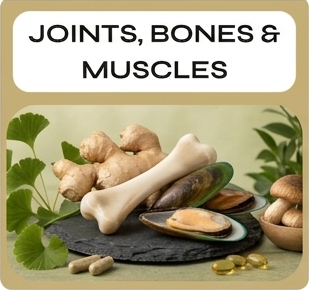




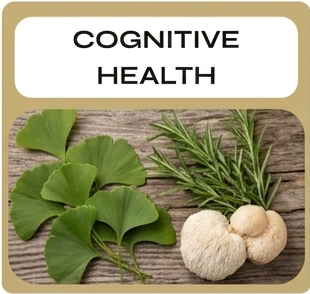
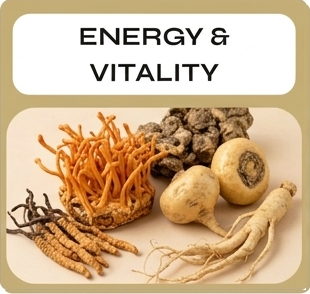

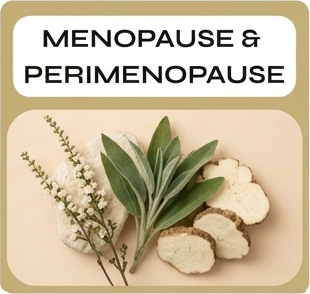
1. Herbal Supplements: The Foundations of Traditional Medicine
The Deep History of Botanical Allies
Herbalism is humankind’s oldest form of healthcare. Archeological evidence suggests that Neanderthals utilized medicinal plants over 60,000 years ago. Every major ancient civilization developed its own sophisticated herbal system:
- Traditional Chinese Medicine (TCM): Rooted in texts dating back thousands of years, focusing on balance (Yin and Yang) and the flow of vital energy (Qi).
- Ayurveda: Originating in India over 5,000 years ago, this "science of life" relies heavily on herbs to maintain harmony between the mind, body, and environment.
- Western Herbalism: Formed by ancient Greek, Roman, and medieval European monastic traditions, which heavily utilized native botanicals like chamomile, valerian, and elderberry.
Traditional Uses vs. Modern Understanding
In antiquity, herbs were categorized by their energetic properties—whether they were warming, cooling, drying, or moistening. Today, modern phytochemistry allows us to look inside these plants to see exactly why they work.
Instead of magic, we find complex active compounds such as alkaloids, polyphenols, and flavonoids. For instance, traditional cultures used willow bark for centuries to soothe discomfort; modern science isolated its active compound, salicin, which laid the groundwork for modern aspirin.
The Rise of Adaptogens
One of the most fascinating intersections of history and science is the study of adaptogens—a unique class of herbs (like Ashwagandha, Rhodiola, and Holy Basil) used historically to promote resilience. Traditional practitioners used them to restore vitality after long illnesses or periods of exhaustion. Today, neuroscience and endocrinology study adaptogens for their ability to help modulate the body's physiological response to stress, supporting a steady, balanced state.
2. Nutritional Supplements: Bridging the Modern Gap
The Evolution of the Human Diet
Our ancestors ate a hyper-local, diverse diet rich in wild plants, heirloom crops, and whole foods grown in incredibly nutrient-dense soil. In contrast, the modern industrialized diet relies on highly processed foods, monoculture farming, and soil that has been significantly depleted of its natural mineral wealth over the last century.
Nutritional supplements emerged in the 20th century as a direct response to this shift, designed to bridge the widening gap between what our bodies actually need and what our daily diet realistically provides.
The Science of "Optimal" vs. "Deficient"
For decades, nutritional science focused purely on preventing acute deficiency diseases (such as scurvy or rickets). However, modern nutritional philosophy looks beyond mere survival toward optimal wellness.
While you might consume enough nutrients to avoid a clinical deficiency, your body may still lack the optimal levels required for peak cellular function, robust energy production, and efficient metabolic health. Nutritional supplements help elevate your baseline from "just getting by" to truly thriving.
3. Vitamins & Minerals: The Micro-Sparkplugs of Life
The Discovery of Micro-Nutrients
The term "vitamin" (originally vitamine, or "vital amine") was coined in 1912 by biochemist Casimir Funk. This sparked a golden age of nutritional discovery throughout the 20th century, as scientists painstakingly isolated the specific molecules responsible for keeping the human machine running.
Unlike macronutrients (carbohydrates, fats, and proteins) which provide raw caloric fuel, vitamins and minerals are micronutrients. They don't provide energy themselves; instead, they act as the essential sparkplugs that allow the body to utilize that fuel.
Vitamins: Organic Catalysts
Vitamins are organic substances compiled by plants or animals. They are generally categorized into two groups:
- Water-Soluble (Vitamins C and the B-Complex): These vitamins circulate freely through the body and are not easily stored, meaning they require a consistent, daily replenishment. They are heavily involved in cellular energy production, nervous system health, and DNA repair.
- Fat-Soluble (Vitamins A, D, E, and K): These are stored in the body's fatty tissues and liver. They play crucial roles in structural integrity, bone density, immune signaling, and cellular antioxidant defense.
Minerals: The Earth’s Elements
Minerals are inorganic elements that originate in the earth and water, making their way into our bodies through the food chain.
- Macrominerals (such as Magnesium, Calcium, and Potassium) are required by the body in relatively large amounts to manage fluid balance, muscle contractions, and structural bone health.
- Trace Minerals (such as Zinc, Selenium, and Iron) are needed only in microscopic doses, yet they act as vital co-factors for thousands of enzymatic reactions, maintaining everything from thyroid function to immune cellular defense.
4. Functional Mushrooms: Fungi and the Web of Life
An Ancient Kingdom Restored
Though often grouped with vegetables or herbs, mushrooms belong to an entirely distinct biological kingdom: Fungi. Spiritually and practically, fungi have been revered across global cultures for millennia.
In ancient Egypt, mushrooms were considered the "plants of immortality," reserved exclusively for royalty. In traditional Eastern medicine, varieties like Reishi were nicknamed the "Mushroom of Immortality" and the "Herb of Spiritual Potency," coveted by emperors and Daoist monks to promote calm, longevity, and a centered mind.
The Science of the Mycelial Network
Underneath the forest floor lies the mycelium—a vast, intelligent, web-like network that connects plants and trees, sharing nutrients and information across ecosystems. The mushrooms we see above ground are simply the "fruiting bodies" of this complex underground system.
Functional mushrooms are unique because they contain highly complex structural carbohydrates called beta-glucans. Modern immunological research heavily studies beta-glucans for their unique ability to interact with immune cells, essentially "training" or immunomodulating the system to respond efficiently.
Nature's Specialized Powerhouses
Different functional mushrooms developed specific biochemical defenses to survive in the wild, which translate into unique benefits for human biology:
- Lion’s Mane: Historically used to support digestion, modern neuroscience focuses on its unique ability to stimulate Nerve Growth Factor (NGF), making it a favorite for mental clarity and focus.
- Cordyceps: Discovered by Himalayan herders who noticed their yaks became incredibly energetic after grazing on wild fungi, Cordyceps is studied today for its role in cellular ATP (energy) production and oxygen utilization.
- Chaga: Growing primarily on birch trees in cold climates, Chaga was used in Siberian folklore to support systemic resilience. It is packed with some of the highest antioxidant concentrations found anywhere in the natural world.
5. Integrating the Toolkit: A Holistic View
When we look at the vast history of natural wellness, a clear pattern emerges: the human body is designed to recognize and utilize complex, earth-grown compounds. Whether it is an herb that helps the body adapt to external pressures, a vital mineral that unlocks cellular energy, or a functional mushroom that optimizes our natural defenses, these elements work best when viewed as part of a complete lifestyle puzzle.
By honoring the wisdom of traditional use and pairing it with the clean, accurate delivery of modern science, we can navigate the complexities of modern life with vitality, balance, and resilience.
